Nature-Based Solutions and Carbon Credit Mechanisms
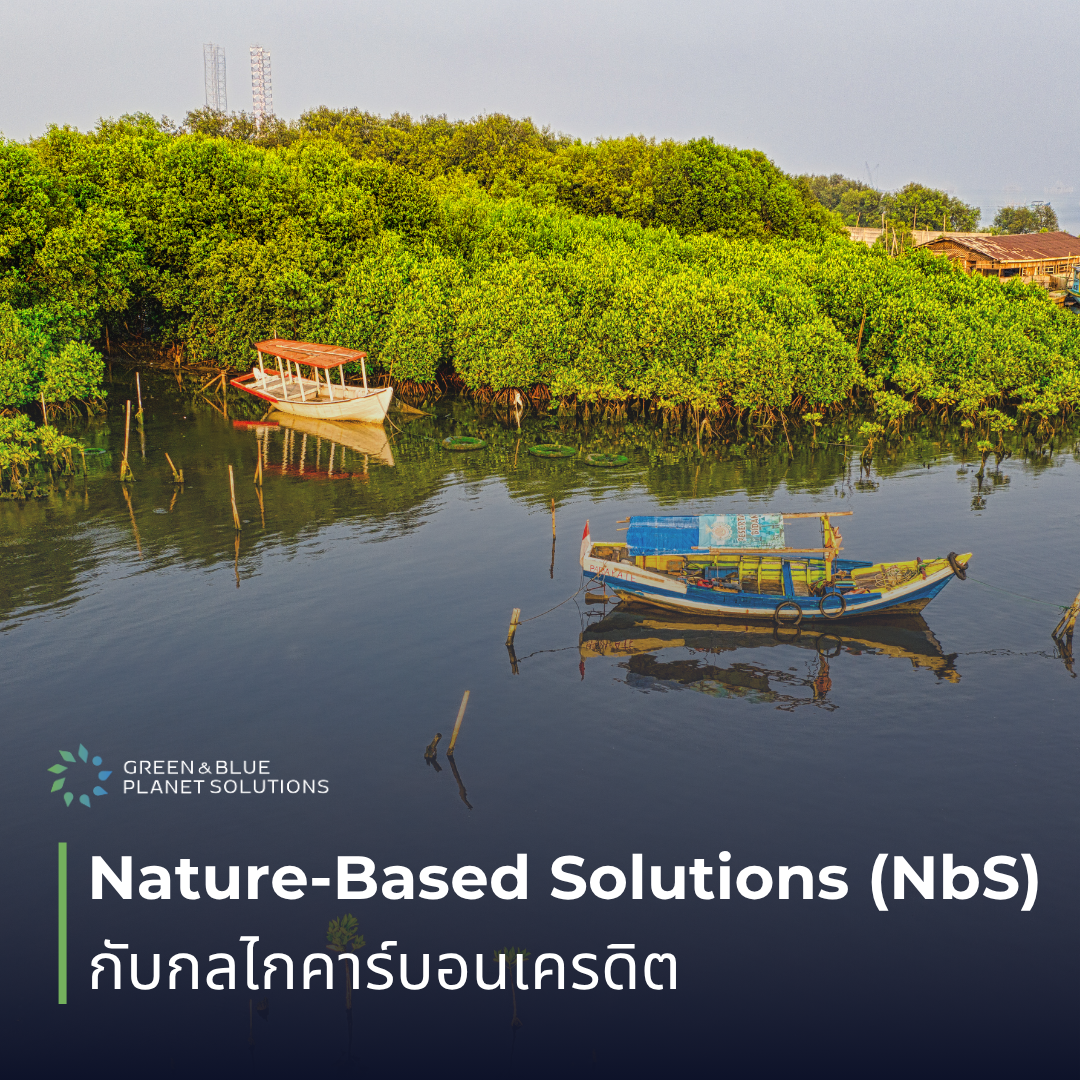
Nature-Based Solutions and Carbon Credit Mechanisms
Nature-Based Solutions (NbS) are approaches that work with nature to manage resources, protect, and restore ecosystems sustainably. They aim to address social and environmental challenges while promoting well-being and biodiversity.
In the context of climate change, NbS play an important role in carbon sequestration and storage through natural processes, such as carbon uptake during tree growth and carbon accumulation in soils. NbS can also reduce greenhouse gas emissions from natural area degradation, compared to a baseline scenario. The resulting emission reductions and carbon removals are measured in carbon dioxide equivalent (tCO₂e) and can be converted into carbon credits, which serve as market-based instruments to offset verifiable greenhouse gas emissions.
Types of Nature-Based Solutions projects that can issue Carbon Credits
| Afforestation/reforestation (A/R) | Projects plant trees in deforested or degraded forest areas |
| Blue Carbon | Projects that restore and conserve coastal marine ecosystems |
| Forest conservation REDD+ | Projects that conserve forest areas from deforestation and forest degradation |
| Grasslands | Projects restore and conserve grasslands and plains to maintain and increase carbon storage in soil and underground root systems |
| Improved Forest Management (IFM) | Projects adopt more sustainable practices in commercial forests |
| Peatlands | Projects that protect and restore peatlands (wetland areas made of waterlogged soils and plants that are extremely carbon-rich) |
| Soil carbon and agriculture | Projects manage and restore agricultural land or livestock |
Carbon Credit Standards for Nature-Based Solutions Projects
- Verra – Verified Carbon Standard (VCS)
- Gold Standard
- Global Carbon Council (GCC)
- Climate Action Reserve (CAR)
- American Carbon Registry (ACR)
- T-VER / Premium T-VER
Co-benefits of Nature-Based Solutions
- Environmental: NbS projects can improve ecosystem quality, such as water resource management, reducing land degradation, and conserving biodiversity.
- Social: NbS projects can provide sustainable job creation, enhanced community well-being, and reduced social impacts from climate change.
- Economic: NbS projects can stimulate local economies, reduce environmental risks to economic activities, and support sustainable business.