Introduction to Biomethane
What is Biomethane?
Biomethane also known as Renewable Natural Gas (RNG), is a form of natural gas produced from renewable energy sources by converting “waste” into “energy.” Biomethane typically contains 90–96% methane (CH₄), making it highly comparable in purity to conventional natural gas. As such, biomethane is expected to serve as a viable substitute for natural gas currently in use. Biomethane can be produced through two main pathways:
1. Biogas Upgrading: This process involves removing carbon dioxide (CO₂), hydrogen sulfide (H₂S), and other impurities from raw biogas to increase the methane concentration and produce high-purity biomethane. Biogas itself can be generated from agricultural residues, industrial wastewater, and organic waste in landfills.
- Landfill gas recovery systems: Municipal solid waste decomposes under anaerobic conditions in landfills, producing biogas. This gas can be collected using wells and piping systems, often supported by compressors to extract and transport it to a central collection point.
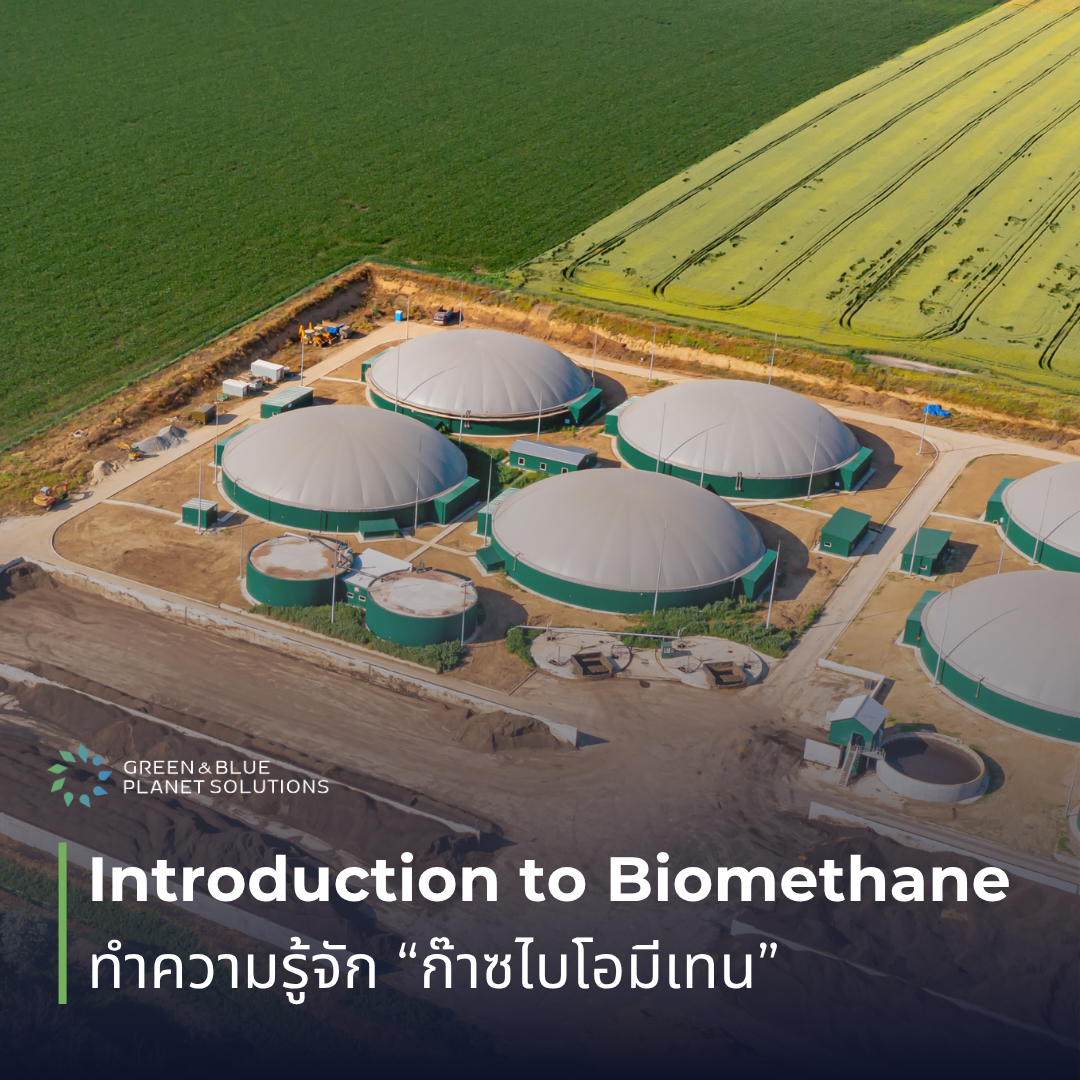
- Biodigesters: These are sealed systems that use naturally occurring microorganisms to break down organic materials such as agricultural residues and animal manure.
- Wastewater treatment plants: Anaerobic digesters are installed to stabilize sewage sludge and reduce its volume while producing biogas.
2. Biomass Gasification and Methanation: This process uses biomass, typically wood, as feedstock. It operates at high temperatures (around 700–800°C) and under high pressure in a low-oxygen environment (biomass gasification), producing a mixture of gases such as carbon monoxide (CO), hydrogen (H₂), and methane (CH₄), collectively known as “syngas.”
Syngas is commonly used to produce chemicals such as methanol or ammonia. For high-purity biomethane production, syngas must first be cleaned to remove acidic and corrosive substances, as well as CO₂ and water (H₂O). It is then processed through methanation to convert it into pure methane gas.
Biomethane Advantages
- Industrial and Household Sectors: Used as a fuel for heating systems.
- Power Sector: Used directly as a fuel in electricity generation.
- Transport Sector: Used in the form of Compressed Biomethane Gas (CBG), produced by compressing biomethane at high pressure. It can replace Compressed Natural Gas (CNG) as a fuel for vehicles, commonly referred to as Natural Gas for Vehicles (NGV).