Getting to Know the “List of Hazardous Substances”
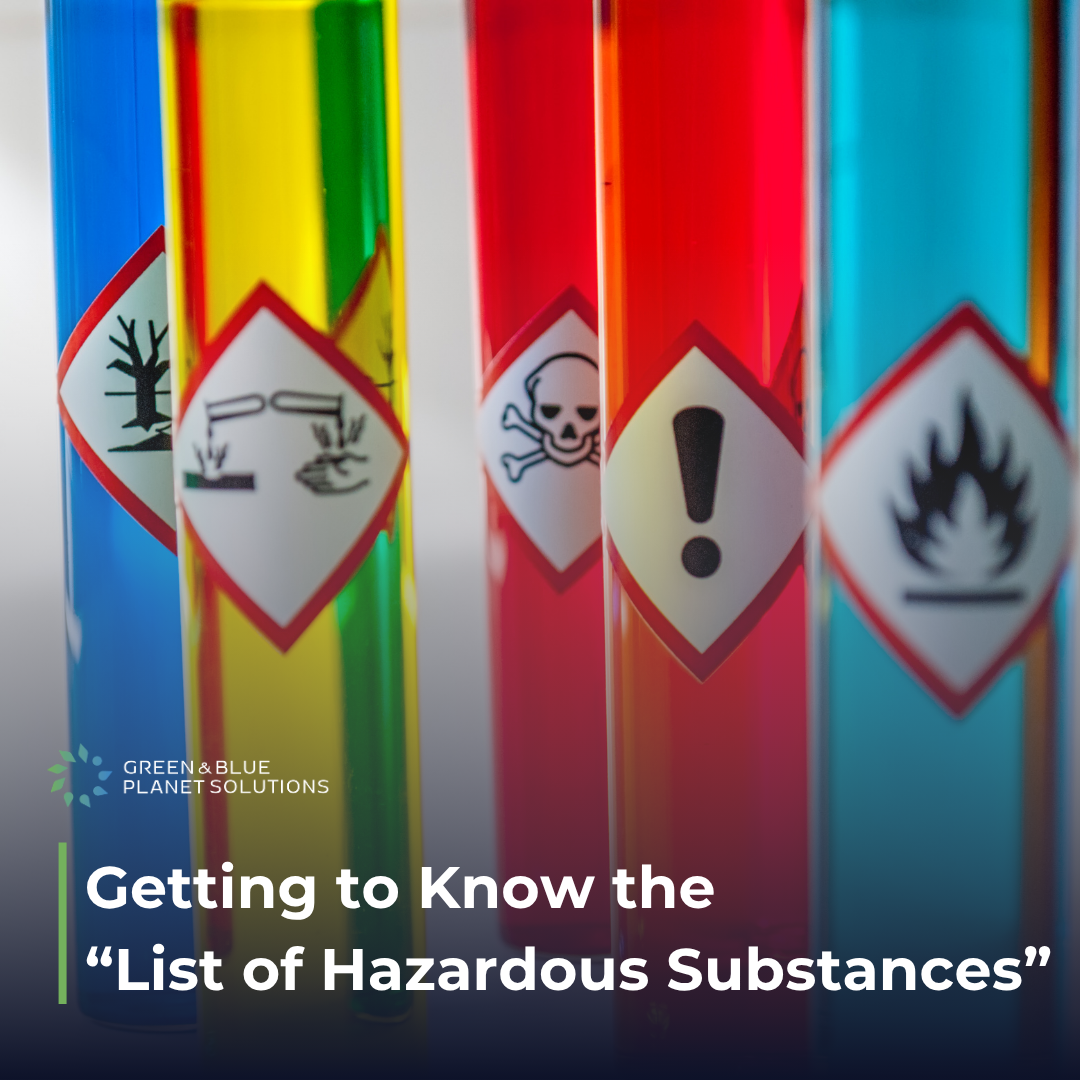
When talking about the term “hazardous substances,” many people might only think of chemicals in industrial factories. But did you know that hazardous substances also include waste, agricultural chemicals, or even some products used in everyday life? This article will help you understand how hazardous substances are classified under Thai law and which agencies are responsible for controlling and supervising them.
🔍 How do we know which substance is a “hazardous substance”?
Although the Hazardous Substance Act B.E. 2535 (1992) outlines the definition of a hazardous substance in Section 4, in reality, to definitively determine whether something is a hazardous substance or not, we primarily need to cross-reference the “Notification of Ministry of Industry Re: List of Hazardous Substances”.
To align with current situations, evolving technologies, and international regulations, the List of Hazardous Substances is continuously updated and revised. Currently (latest update as of July 10, 2026), a total of 8 notifications have been issued, which include:
- 📜 No. 1 – B.E. 2556 (2013)
- 📜 No. 2 – B.E. 2558 (2015)
- 📜 No. 3 – B.E. 2559 (2016)
- 📜 No. 4 – B.E. 2560 (2017)
- 📜 No. 5 – B.E. 2562 (2019)
- 📜 No. 6 – B.E. 2563 (2020)
- 📜 No. 7 – B.E. 2565 (2022)
- 📜 No. 8 – B.E. 2568 (2025)
🏢 6 Main Hazardous Substance Lists and Responsible Agencies
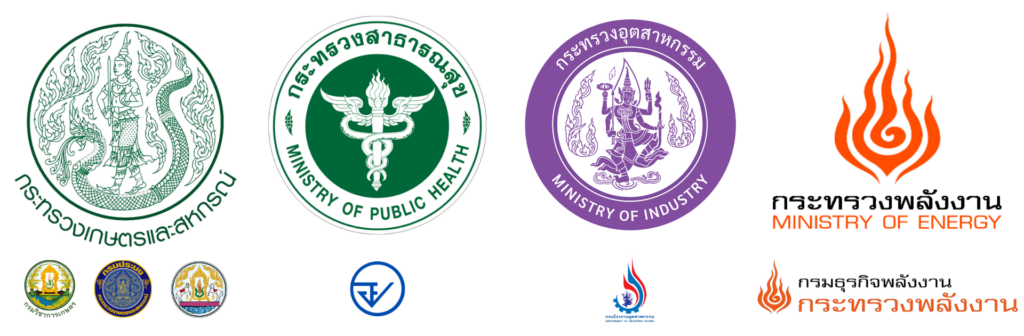
To ensure that supervision is comprehensive and highly effective, the notification of the list of hazardous substances has been divided into 6 main lists under the responsibility of 4 primary ministries as follows:
🌱Ministry of Agriculture and Cooperatives: Oversees hazardous substances related to agriculture, fisheries, and livestock. Divided into:
- List 1 – Department of Agriculture (DOA)
- List 1.1 List of controlled substances
- List 1.2 List of controlled substance groups
- List 2 – Department of Fisheries (DOF)
- List 2.1 List of controlled substances
- List 2.2 List of controlled substance groups
- List 2.3 List of controlled product groups
- List 3 – Department of Livestock Development (DOLD)
- List 3.1 List of controlled substances
- List 3.2 List of controlled substance groups
🏥Ministry of Public Health: Oversees hazardous substances related to health and everyday products.
- List 4 Food and Drug Administration (FDA)
- List 4.1 List of controlled substances
- List 4.2 List of controlled substance groups
- List 4.3 List of controlled product groups
🏭Ministry of Industry: Oversees chemicals, chemical wastes, and chemical weapons in the industrial sector.
- List 5 Department of Industrial Works (DIW)
- List 5.1 List of controlled substances
- List 5.2 Chemical wastes
- List 5.3 Used electrical and electronic equipment
- List 5.4 Other substance groups
- List 5.5 Chemical weapon groups
- List 5.6 Groups of substances controlled by properties
⚡ Ministry of Energy: Oversees hazardous substances related to fuel and energy.
- List 6 Department of Energy Business (DOEB)
💡 Conclusion
This clear categorization and separation of responsible agencies help to ensure that the control and management of hazardous substances in Thailand are systematic. This is for the safety of the public, animals, properties, and the environment.
For entrepreneurs or individuals whose work involves chemicals, it is advisable to check these lists regularly to ensure accurate compliance with the law.
Reference:
- https://ratchakitcha.soc.go.th/pdfdownload/?id=1985309
- https://ratchakitcha.soc.go.th/pdfdownload/?id=2034342
- https://ratchakitcha.soc.go.th/pdfdownload/?id=2096387
- https://ratchakitcha.soc.go.th/pdfdownload/?id=2130888
- https://ratchakitcha.soc.go.th/pdfdownload/?id=17108229
- https://ratchakitcha.soc.go.th/pdfdownload/?id=17132089
- https://ratchakitcha.soc.go.th/documents/17236596.pdf
- https://ratchakitcha.soc.go.th/documents/74705.pdf